Translator's Note
10 April 2020
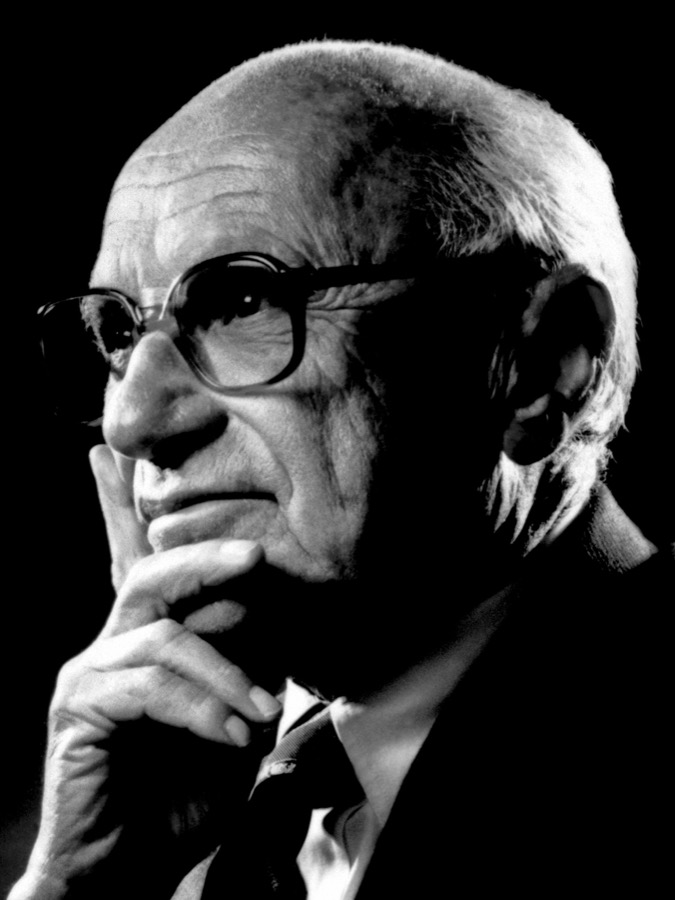
Time passes on in human life, and although what once took place somewhere is left behind as history, and ideas that spread are left behind as lessons, they go on repeating themselves later in another part of the globe. It may take half a century for the fruits of what one part of humanity has achieved to reach another. Fifty years ago there appeared the celebrated essay of the noted economist Milton Friedman — the founder of monetarism, a new current in macroeconomic theory — “The Social Responsibility of Business is to Increase its Profits”. That essay has not lost its value to this day, and over the past fifty years it is rightly counted among the most widely read and most influential essays in economics and politics. In it he exposed the truth of the activity conducted under the name “the social responsibility of business”, and stripped bare the whole company of people who go about talking of such things. It is likewise an essay that examines the true nature of the free market, the political principle at stake, and the consequences that follow when it is violated.
Today, in our society, it has become quite common for businesspeople and politicians to join charitable campaigns. That donations are even being made to the state and to state bodies is exceedingly strange. Not long ago I posted on my own Twitter (@chimeddorjm) that “a person who donates to the state shows that they have not understood the nature of the society they live in at all”, and it drew no small amount of criticism. It was then that this essay of Milton Friedman's came to mind and I resolved to translate it — which today has come to fruition and is presented here to you all.
Since I judged it right to bring before the public a work that takes apart the intricate questions of economic and political philosophy, I attempted the rendering without letting my lack of experience in translation hold me back. Should I have misused any of the terms, concepts or definitions employed here, or made errors of substance or of style, I shall receive every criticism with gratitude.
Translated by Chimeddorj Munkhjargal
27 April 2020
Source: baabar.mn · 2020-09-16 · Read the original on baabar.mn →
Note: This page carries only the translator's note. The full Mongolian translation of Milton Friedman's essay can be read in the original publication on baabar.mn. The material on the essay under “Key Ideas” is a brief summary, not the text itself.